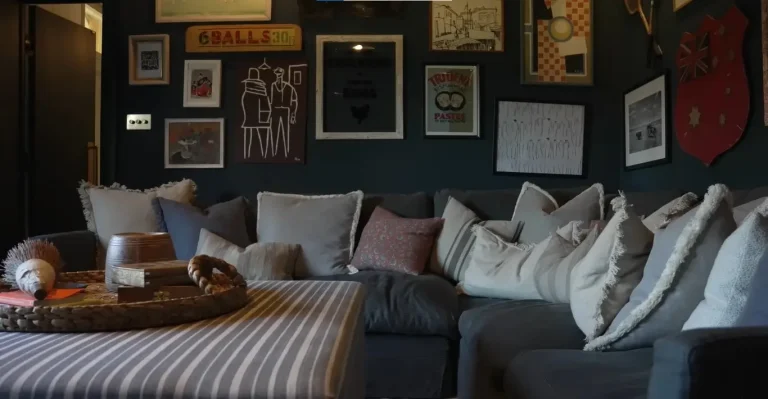
Best Interior Design Styles for Charleston Single Houses
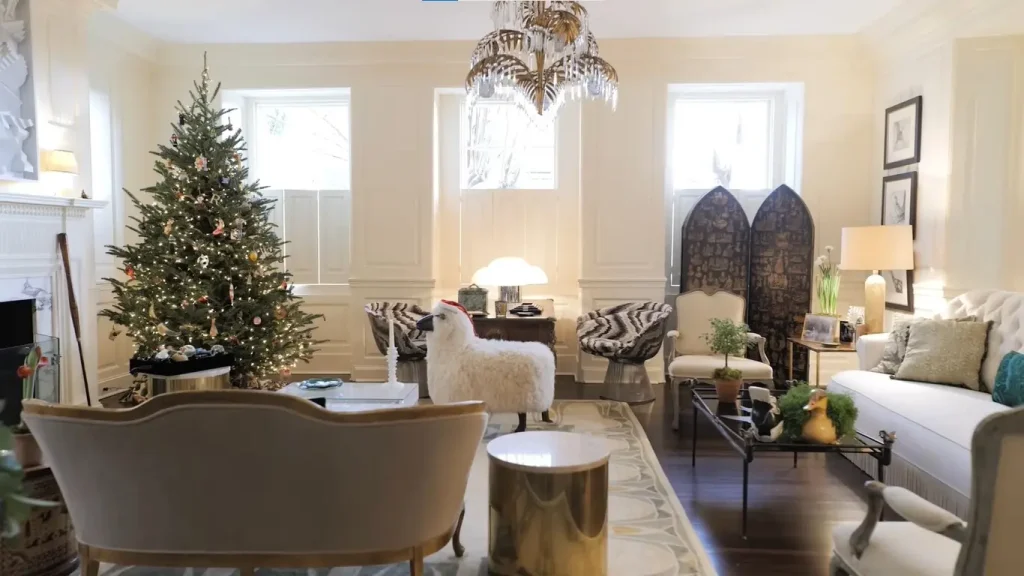
Charleston single houses are one of the city’s most distinctive architectural forms. Narrow and deep, with the short end facing the street and a long side piazza, they were shaped by climate, lot size, and the need for privacy and airflow. Interior design that ignores these features often feels forced. Styles that succeed work with the architecture rather than against it.
The best approaches respect original proportions, millwork, floors, and the side piazza while delivering modern comfort. They also account for humidity, salt air, and the quality of local light. Here is a clear look at the styles that perform well in these homes and why.
Understanding the Single House First
A classic single house is typically one room wide with a central stair hall. Rooms align in sequence along the length of the lot. Piazzas run along the long side, usually facing south or west to catch breezes and provide shade. Tall ceilings and operable windows supported natural ventilation long before air conditioning.
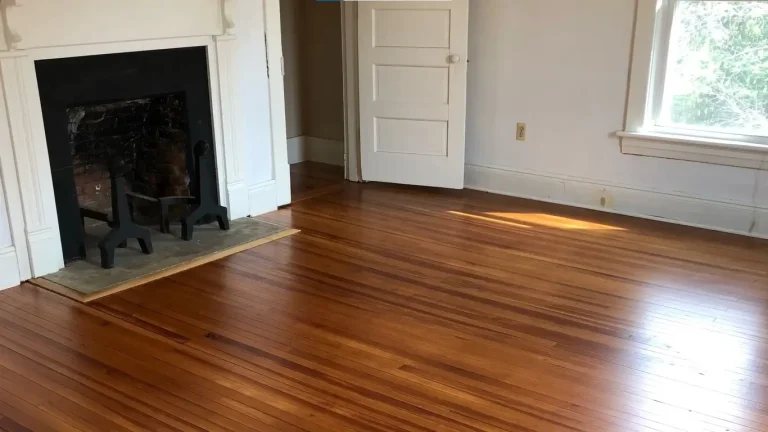
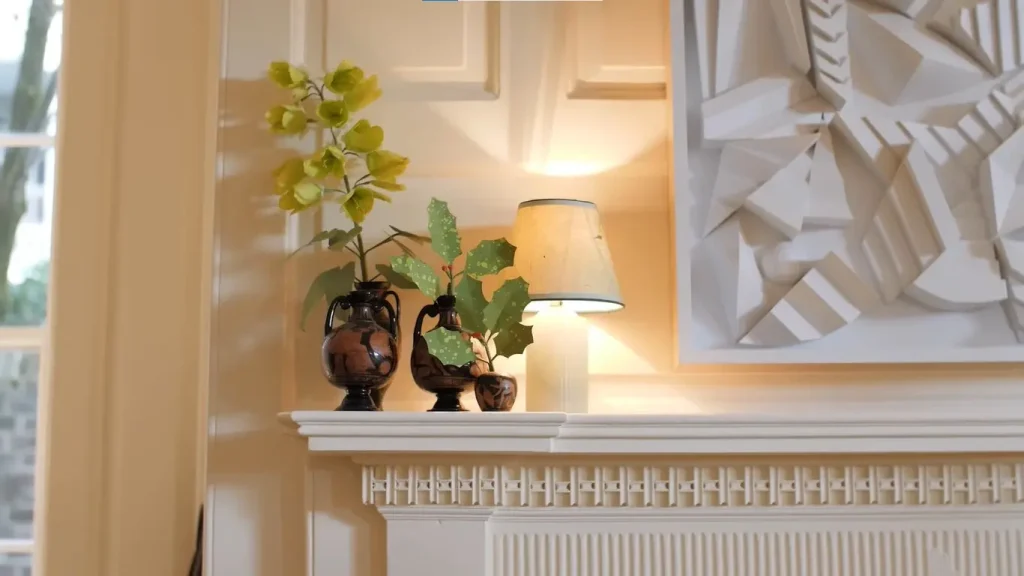
Original details such as heart pine floors, fireplace mantels, moldings, and tall windows define the character. Successful interiors keep these elements intact and visible. Furniture scale, color choices, and layout must fit the narrow rooms and linear flow. Blocking the piazza connection or covering distinctive millwork weakens both comfort and authenticity.
Traditional and Period-Inspired Style
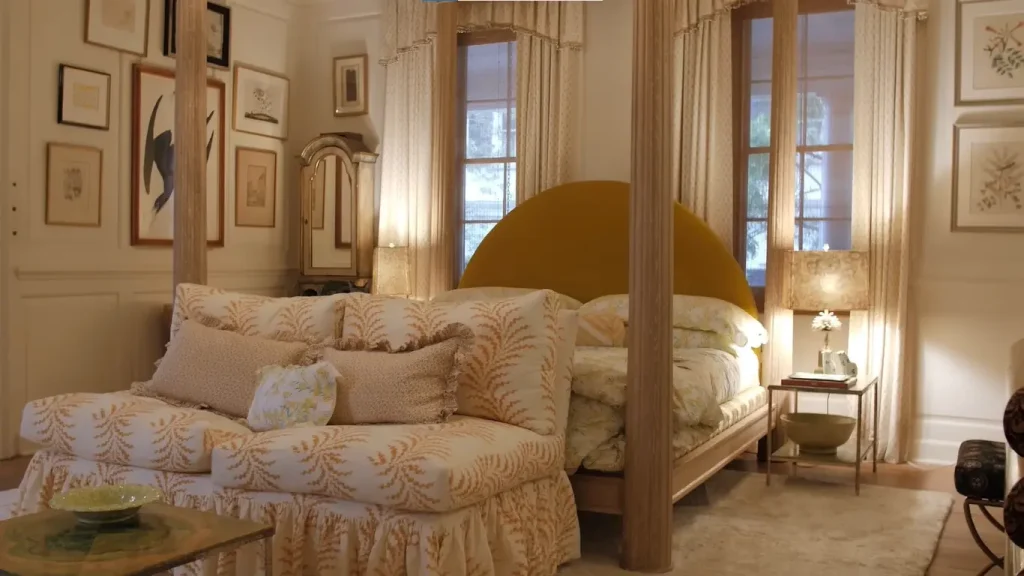
This approach stays closest to the house’s history. It uses formal proportions, refined antiques or quality reproductions, and layered textiles that feel collected over time. Drawing rooms and parlors often receive the most attention, reflecting their historic role as the “best” spaces.
Warm neutrals, soft creams, and restrained color accents work well. Fabrics lean toward natural fibers and classic patterns. The style shines when original floors and woodwork remain the foundation. Contemporary comfort is added through updated upholstery, better lighting, and practical storage that does not compete with historic features.
This direction suits owners who want the house to feel continuous with its past while still supporting daily living.
Refined Lowcountry Style
Lowcountry interiors draw from the regional landscape and building traditions rather than generic coastal trends. Colors reference oyster shells, marsh grass, tidal water, and sun-warmed sand. Warm whites, muted sages, soft sand tones, and deeper tidal blues appear frequently.
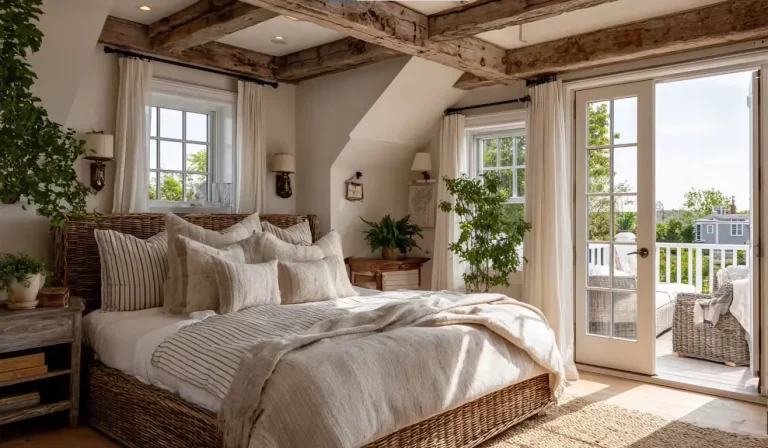
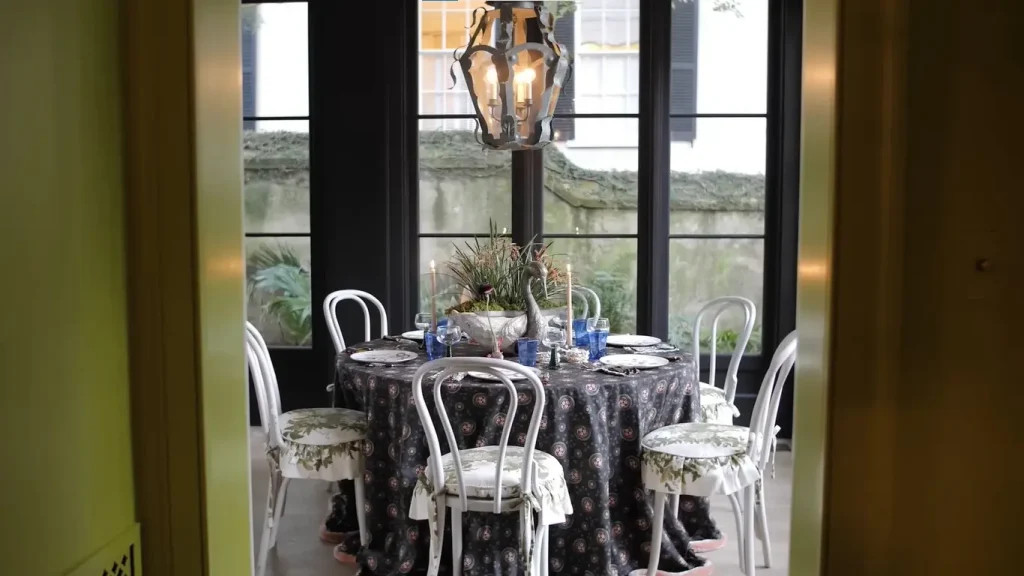
Materials emphasize natural textures: wide-plank woods, linen, woven fibers, and finishes that age gracefully in humidity. The overall mood is relaxed yet polished. Piazzas become true outdoor rooms with comfortable, durable seating. Indoor spaces feel connected to the garden and the climate.
This style works especially well because it responds to the same forces that shaped the single house form. It avoids bright, thematic beach looks and instead feels rooted in place.
Transitional Style
Transitional design mixes traditional architecture with cleaner, more current furnishings and simpler lines. Original moldings, floors, and proportions stay prominent. Furniture is comfortable and less ornate. Color palettes remain calm and warm.
This approach gives single houses a livable, updated feel without erasing history. It accommodates modern family needs—better flow between rooms, practical kitchens, and flexible seating—while the architecture continues to lead. Many successful renovations in Charleston follow this balanced path.
Soft Contemporary with Historic Restraint
Pure modern minimalism rarely suits a single house. The tall ceilings, narrow rooms, and rich architectural detail fight extreme spareness. A softer contemporary approach can work when it respects scale and keeps key historic elements.
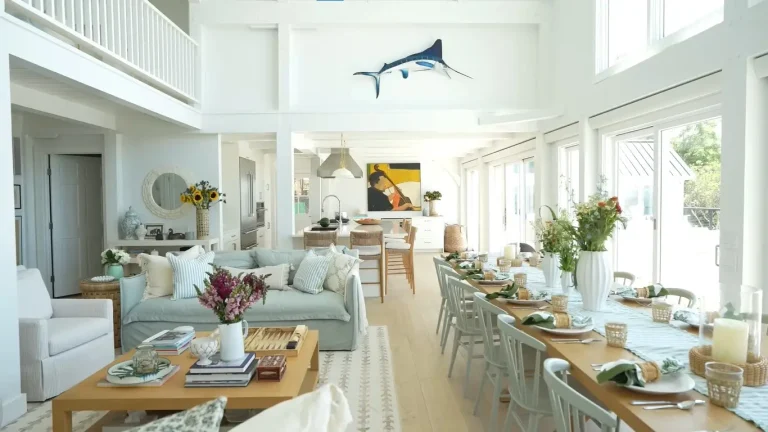
Clean-lined furniture in appropriate proportions, neutral or landscape-inspired colors, and carefully chosen lighting can update the interior. The key is restraint. Contemporary pieces should feel like guests in the house rather than the dominant voice. Preserving original floors, mantels, and millwork anchors the design.
What Usually Does Not Work Well
Heavy nautical theming with anchors, rope, and strong blue-and-white contrasts often feels temporary and out of place. Overly formal period rooms that ignore modern comfort can feel like museums. Large-scale modern furniture that overwhelms the narrow proportions creates awkward circulation.
Cool, stark color schemes frequently clash with Charleston light and the warm tones of historic wood. Ignoring the piazza as a living space or sealing openings that once supported airflow reduces both character and comfort.
Practical Considerations for Any Style
Furniture scale matters in narrow rooms and sequential layouts, so choose pieces that do not block movement or light. Sofas and tables should allow clear paths while respecting window and door locations. Materials must handle humidity, with stable woods, performance fabrics, and moisture-resistant finishes performing better over time. Original heart pine floors deserve careful treatment rather than aggressive refinishing that removes character and longevity.
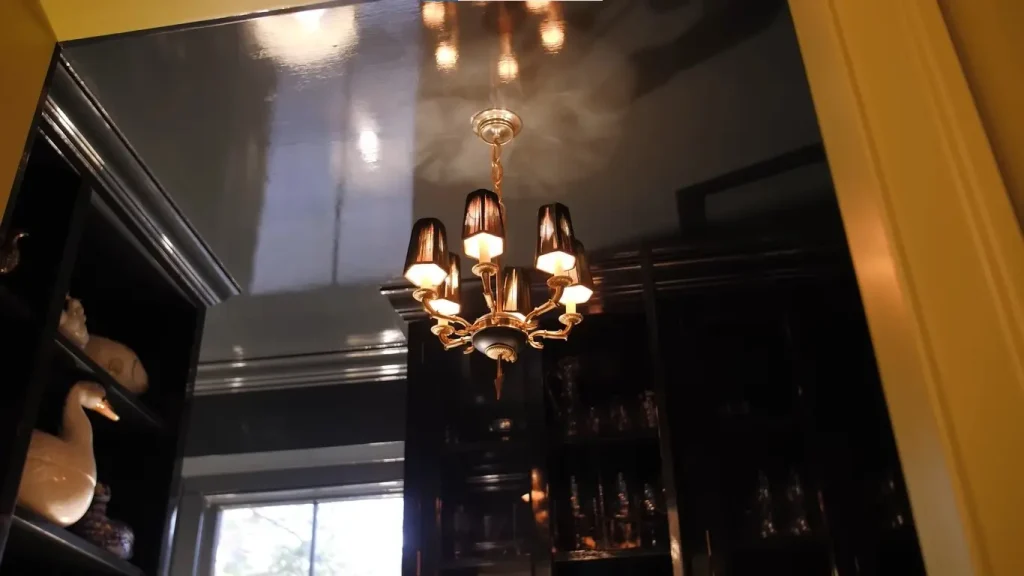
Lighting should enhance the architecture through layered sources such as ceiling fixtures, wall sconces, and lamps rather than a single harsh overhead light. Concealed or restrained modern lighting can update spaces without competing with historic details. Color decisions benefit from testing in the actual rooms.
Warm, complex neutrals and landscape-inspired hues generally hold up better in local light than cool or highly saturated options chosen from chips alone.
Balancing Preservation and Everyday Life
Single houses in historic districts face exterior review for visible changes. Interiors offer more flexibility, yet original features still contribute significant value and authenticity. The strongest projects treat the architecture as the primary asset. New elements support comfort, storage, and modern systems while remaining compatible in scale, material, and spirit.
Piazzas deserve equal attention. Comfortable, climate-appropriate furnishings and operable connections to the interior turn them into genuine living spaces rather than afterthoughts. This approach aligns with thoughtful ways to modernize a historic Charleston home without losing character.
Choosing the Right Direction for Your Home
Start with the house itself. Note the condition of floors, millwork, ceilings, and the piazza. Consider how you actually live—entertaining, family routines, need for quiet spaces. Then select a style that amplifies the architecture rather than fighting it.
Many of the most successful Charleston single house interiors blend elements. They keep traditional bones, introduce Lowcountry warmth through color and texture, and add transitional comfort where needed. The result feels personal, practical, and true to the place.
Ready to Design Interiors That Suit Your Charleston Single House?
The right style respects the unique form of these homes while delivering spaces that work for modern life. If you are planning updates, we can help evaluate your house and develop an approach that balances character, comfort, and climate. Contact us to discuss your project.