Why Charleston Homes Need Special Interior Design Considerations
Charleston homes are not like houses in most other cities. The climate, architecture, and local regulations create unique demands. Standard interior design approaches often fall short here. Materials that work inland can fail quickly. Layouts that ignore airflow feel uncomfortable in summer. Updates that overlook historic character can reduce both beauty and value.
Specialized interior design accounts for these local realities from the start. It protects the home, improves daily comfort, and respects the qualities that make Charleston properties distinctive.
High Humidity Changes Everything
Charleston experiences high relative humidity for much of the year. Outdoor levels frequently sit well above the range that keeps wood and many finishes stable. Indoor humidity that stays too high causes materials to swell, cup, or loosen. When humidity drops, the same materials can shrink and gap.
This cycle affects floors, cabinets, doors, and millwork. Standard MDF swells at the edges and loses strength. Solid hardwood can move more than expected. Finishes may peel or fail earlier than they would in drier climates.
Good design responds by selecting more stable products and controlling indoor moisture. Engineered woods, quality plywood, porcelain tile, and performance vinyl handle humidity better. Proper ventilation and dehumidification support those material choices.
Salt Air Accelerates Wear
Salt particles travel inland with the breeze. They settle on surfaces and speed up corrosion when combined with moisture. Standard metal hardware, hinges, and fixtures can pit, discolor, or fail years sooner than they would inland.
Marine-grade stainless steel (especially 316) resists this environment better. PVD-coated finishes also hold up longer. Designers who understand coastal exposure specify these products for kitchens, bathrooms, and exterior-adjacent openings. The extra care prevents early replacement and keeps the home looking better over time.

Historic Architecture Requires Respect
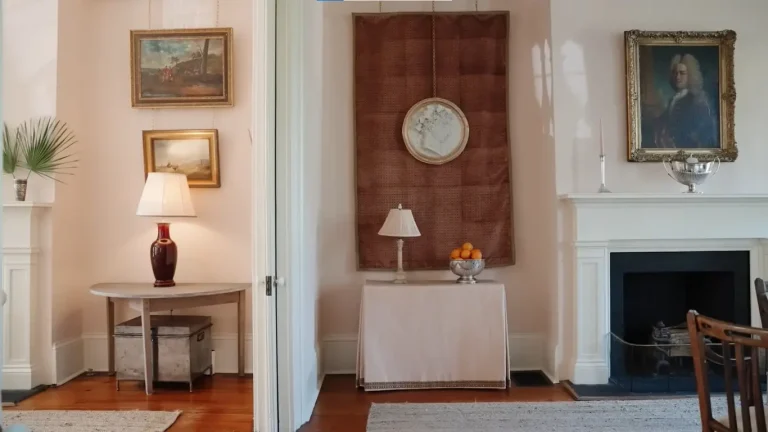
Many Charleston homes sit in historic districts or carry significant original features. Exterior changes often need Board of Architectural Review approval. Interior work faces fewer formal restrictions, yet original floors, millwork, windows, and proportions still define the character of the house.
Removing or covering these elements can erase what makes the property special. Over-sanding heart pine floors shortens their life. Replacing distinctive trim with generic profiles weakens the architecture. Thoughtful design preserves what can be saved and introduces modern comfort without competing with the original fabric.
Smart updates include concealed lighting, improved mechanical systems routed through existing chases, and cabinetry that respects the home’s proportions. The result feels current while remaining true to the building.
Traditional Layouts Influence Comfort
The classic Charleston single house was designed for the climate long before air conditioning. Narrow floor plans, side piazzas, and tall ceilings promoted cross-ventilation and helped release heat. These features still matter.
Modern interiors that ignore airflow can feel stuffy even with mechanical cooling. Good design works with the original layout where possible. It improves circulation, places openings thoughtfully, and avoids blocking natural breezes. The home stays more comfortable and uses less energy.
Moisture Management Is Not Optional
Crawl spaces, bathrooms, and kitchens are especially vulnerable. Poor ventilation allows moisture to build. Mold risk rises. Wood components suffer. Encapsulation of crawl spaces, properly vented exhaust fans, and moisture-resistant materials in wet zones reduce these problems.
Interior design that treats moisture as a primary concern produces healthier, longer-lasting homes. It also protects the investment represented by original materials and finishes.
Local Light Affects Color and Finish Choices
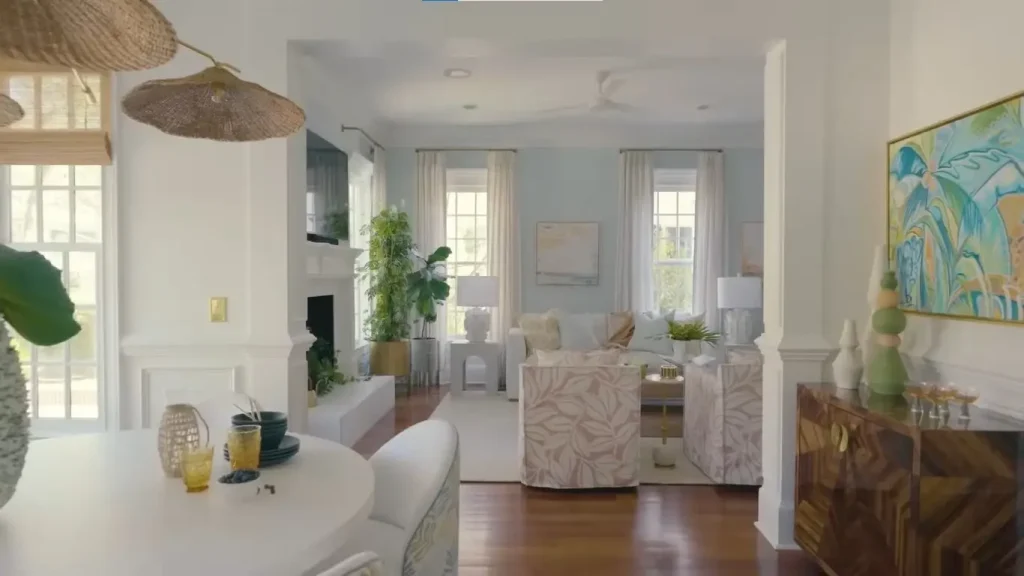
Charleston light is strong and warm. Colors that look soft in a northern showroom can appear different under local conditions. Cool grays may feel flat. Stark whites can look harsh. Warm creams, oyster tones, and muted landscape-inspired greens generally perform better.
Viewing samples in the actual rooms at different times of day leads to better decisions. Designers familiar with the light help clients avoid costly repainting later.
Everyday Living Needs Differ Here
Lowcountry life often includes indoor-outdoor flow, entertaining on porches, and dealing with sand, humidity, and seasonal storms. Interiors need durable surfaces, practical storage, and easy-to-clean finishes. At the same time, many owners want spaces that feel refined rather than purely utilitarian.
Balancing these needs requires local knowledge. Materials must perform. Layouts must support real routines. The finished home should feel both comfortable and appropriate to its setting.
What Happens When Design Ignores Local Conditions
Homes designed without attention to climate often show problems within a few years. Cabinets swell. Hardware corrodes. Floors move. Finishes fail. Owners face repair costs and disappointment. In historic properties, inappropriate changes can also reduce architectural integrity and market appeal.
Specialized design reduces these risks. It selects products tested against humidity and salt. It respects original features. It improves comfort without erasing character. The home performs better and retains more of its value.
Practical Benefits of a Local Approach
Working with design professionals who understand Charleston conditions brings several advantages. Material recommendations are more reliable. Project coordination accounts for local regulations and climate realities. The finished interiors feel cohesive with the architecture and the surrounding landscape.
Homeowners gain spaces that look beautiful on day one and continue to function well years later. That combination of beauty and durability is the real goal of thoughtful interior design in this region.
Ready to Design for Charleston Conditions?
Charleston homes reward careful, informed design. Humidity, salt air, historic character, and traditional layouts all influence what works and what fails. Addressing these factors early leads to better results.
If you are planning a renovation or new interior project, we can help you make choices suited to this unique environment. Contact us to discuss your home and goals. We focus on creating interiors that respect Charleston’s character while delivering lasting comfort and performance.