Coastal vs Lowcountry Style: What’s the Difference?

Many people use the terms “coastal” and “Lowcountry” as if they mean the same thing. In Charleston and across the South Carolina coast, the difference matters. One style is broad and widely applied. The other is specific to this place.
Understanding the distinction helps homeowners create interiors that feel authentic rather than generic. It also guides better material and color choices for the local climate and light.
What Coastal Style Usually Means
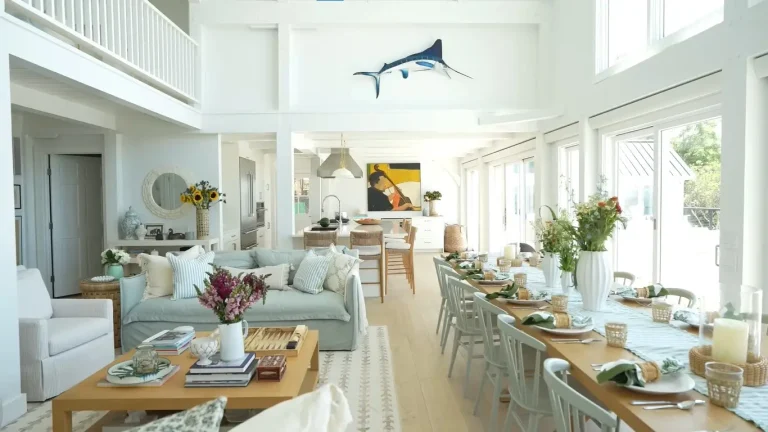
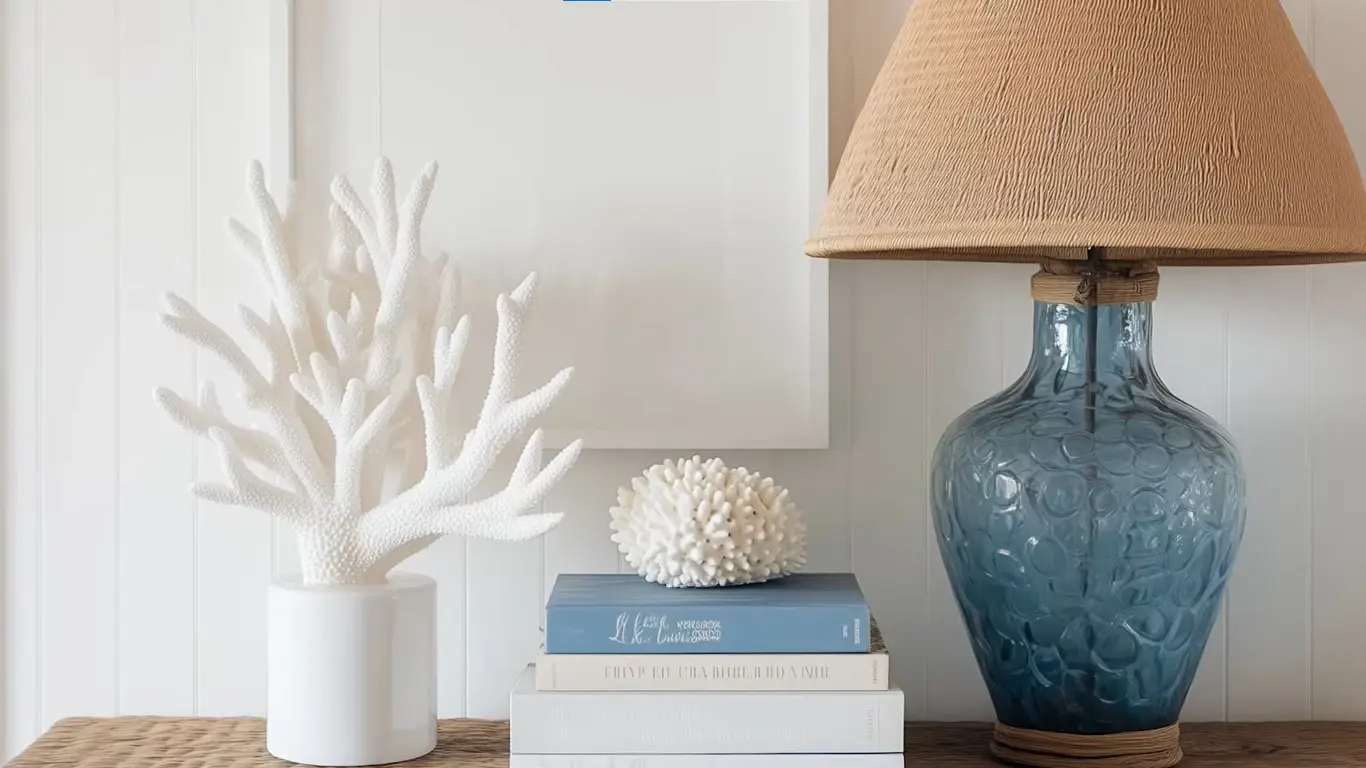
Coastal style draws inspiration from the shore. It aims for a light, airy, relaxed feeling. Common elements include soft blues and whites, natural textures, linen fabrics, woven materials, and light wood tones.
This look appears in beach houses from the Outer Banks to California and the Gulf Coast. It often emphasizes calm and simplicity. In its more themed versions, it can include nautical references such as rope details, anchors, or strong navy-and-white contrasts.
Coastal design works well in many waterfront settings. However, it is not tied to one specific region’s history, materials, or light conditions.
What Lowcountry Style Means
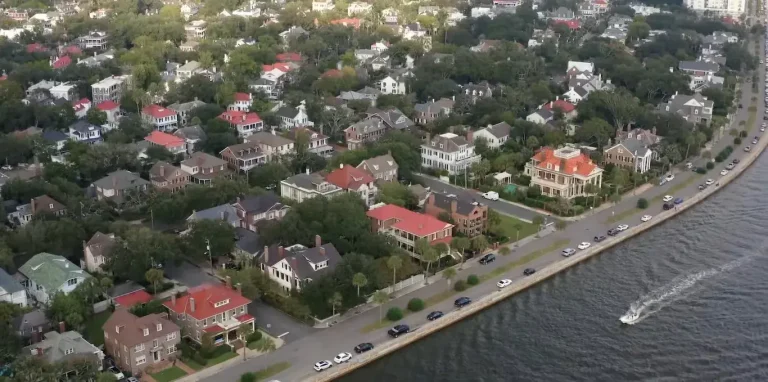
Lowcountry style is rooted in the coastal region of South Carolina and nearby areas. It grew from the actual landscape, climate, and building traditions of this place.
Key influences include tidal marshes, live oaks, salt air, intense coastal light, and a long tradition of outdoor living. Historic architecture also shaped the style. Charleston single houses, raised foundations, side piazzas, and wide porches were practical responses to heat, humidity, and flooding. These forms still influence how interiors feel today.
Lowcountry design tends to feel warmer and more layered than generic coastal looks. It often includes:
- Warm neutrals rather than cool, stark whites
- Muted greens inspired by marsh grass and Spanish moss
- Natural materials with local history, such as heart pine, cypress, and references to tabby
- A balance of refined and relaxed elements
- Strong connection to indoor-outdoor living
The style does not rely on obvious beach symbols. It feels collected and grounded in place.

Key Differences at a Glance
Color Palette
Coastal style frequently uses crisp whites, bright or soft blues, and sandy neutrals. Lowcountry color draws more directly from the marsh and local light. Oyster-shell creams, warm sand tones, gray-green marsh colors, and deeper tidal blues appear more often. The overall effect feels warmer and less stark.
Materials
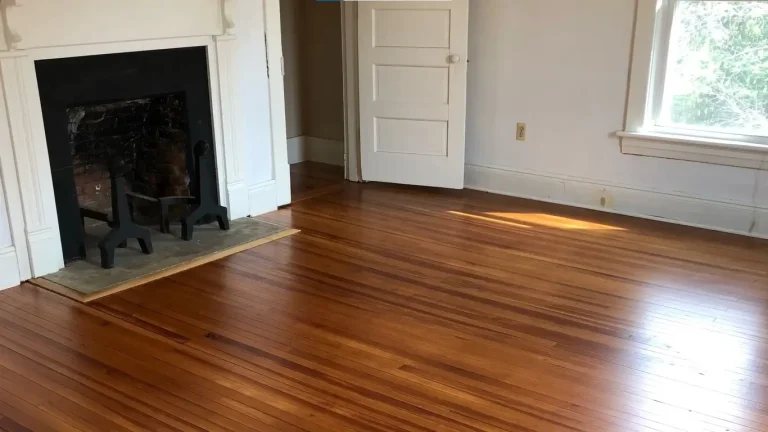
Both styles favor natural materials. Lowcountry interiors often show wider-plank woods, heart pine or white oak floors, and textures that reference local building traditions. The emphasis stays on materials that age well in humidity rather than purely decorative beach elements.
Mood and Formality
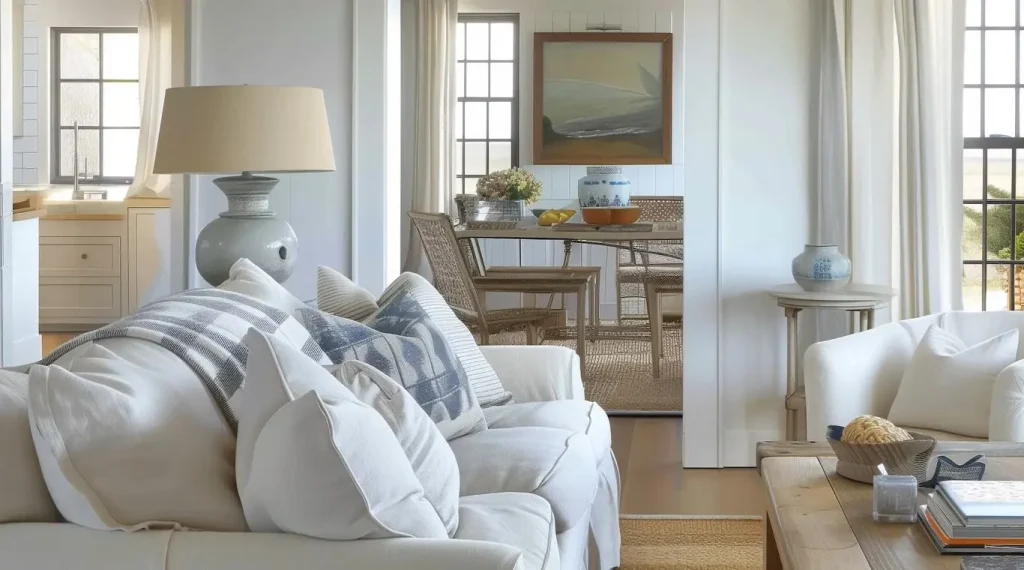
Coastal can range from casual beach house to tailored Hamptons-inspired looks. Lowcountry style usually sits between relaxed and refined. It supports comfortable daily living while still feeling polished enough for traditional Charleston homes.
Sense of Place
Coastal style can travel. The same approach might appear in Florida, New England, or California with only minor changes. Lowcountry style is harder to separate from this specific region. When done well, it feels as if it belongs under live oaks and near the marsh.
How the Styles Appear in Charleston Homes
In historic downtown houses, Lowcountry influence often shows through preserved millwork, original floors, and proportions that favor airflow. Soft, warm paint colors and layered textures support the architecture without competing with it.
In newer homes on Daniel Island, Mt. Pleasant, or Sullivan’s Island, designers frequently blend both approaches. They keep the light, open feeling of coastal design while grounding the palette and materials in Lowcountry references. The result avoids the overly themed look that can feel temporary.
Many successful Charleston interiors mix the two thoughtfully. They use the airiness of coastal style and the regional depth of Lowcountry character.
Common Mistakes When Choosing Between Them
One frequent mistake is treating Lowcountry as simply “coastal with Southern flair.” This often leads to spaces that feel generic. Another is overusing cool blues and crisp whites that ignore the warmer quality of Charleston light. Colors that look fresh in a northern setting can feel flat or harsh here.
Heavy reliance on nautical accessories also weakens authenticity. Anchors, ship wheels, and excessive rope details usually read as themed rather than rooted.
Finally, some projects focus only on appearance and overlook performance. In this climate, materials must handle humidity and salt air. Style choices that ignore durability create problems later.
Which Style Suits Different Homes
Historic properties with original details often benefit from a stronger Lowcountry direction. The architecture already carries regional character. Supporting it with appropriate colors and materials strengthens the home’s identity.
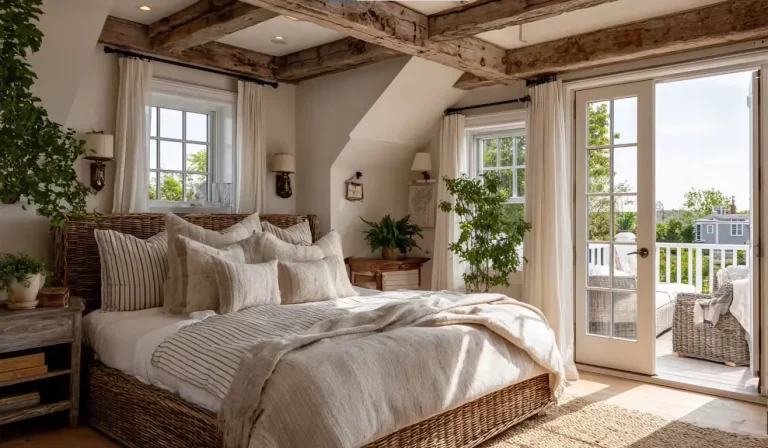
Newer coastal or waterfront homes can lean more coastal while still incorporating Lowcountry warmth through wood tones, muted greens, and natural textures. This prevents the interior from feeling like it could exist anywhere.
Many homeowners ultimately prefer a blend. The most successful versions keep the relaxed openness of coastal design and add the specificity and warmth of Lowcountry references.
Practical Guidance for Homeowners
Start by looking at the house itself. Note the architecture, the quality of natural light, and the surrounding landscape. Then decide how strongly you want the interior to reference this specific place.
Choose a primary direction and let the other style play a supporting role. Keep the color palette consistent. Favor materials that perform in humidity. Avoid heavy thematic accessories.
When selecting paint, view samples in the actual rooms at different times of day. Charleston light is strong and warm. Colors shift more than many people expect.
Final Thoughts
Coastal style offers a widely appealing language of light, air, and natural materials. Lowcountry style adds regional depth, warmer tones, and a stronger connection to Charleston’s landscape and building history.
Understanding the difference helps create interiors that feel intentional rather than assembled from trend boards. The best results respect both the beauty of coastal living and the specific character of the Lowcountry.
If you are planning updates to a Charleston home, clarifying this distinction early leads to more cohesive and lasting design decisions.
Ready to Define Your Charleston Style?
Whether you lean toward coastal ease or authentic Lowcountry character, the right direction makes your home feel intentional and lasting. We help homeowners across Charleston choose styles and materials that suit both their taste and the local climate.
Contact us today to discuss your project. We will listen to your goals and help you create interiors that feel true to this place.