How to Add Modern Comfort to Old Charleston Houses
Old Charleston houses were designed for a different era of living. High ceilings, operable shutters, side piazzas, and narrow floor plans helped manage heat and humidity long before air conditioning. Today’s owners want reliable climate control, better lighting, updated kitchens and baths, and systems that perform without constant intervention.
The challenge is adding modern comfort without damaging the architecture or creating new moisture problems. Done carefully, these upgrades improve daily life while protecting the qualities that make the houses valuable. Done poorly, they can trap humidity, harm historic materials, or trigger unnecessary exterior changes that face Board of Architectural Review scrutiny.
Start with the Building Envelope
Comfort begins with controlling air and moisture movement. Many historic houses lose conditioned air through gaps around windows, doors, and penetrations. Sealing these bypasses reduces the load on any HVAC system and improves consistency from room to room.
Weatherstripping, careful caulking, and repair of deteriorated frames make a measurable difference. Attic and crawl-space insulation, when installed correctly, further stabilizes indoor temperatures. South Carolina guidance for historic residences often recommends higher R-values in attics and crawl spaces while cautioning against wall insulation methods that can trap moisture against historic fabric.
The goal is not to create a perfectly sealed modern box. Many older assemblies were designed to allow some drying. The better approach balances reduced infiltration with the ability of materials to manage humidity.
Windows: Repair First, Then Enhance
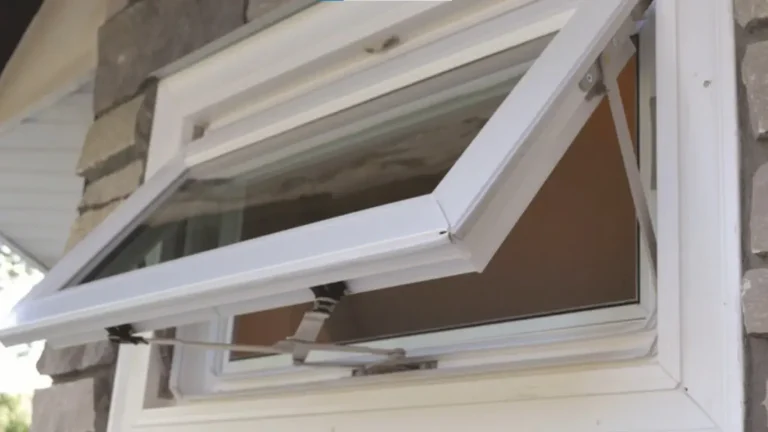
Historic wood windows are character-defining features. Studies of Charleston historic residences have shown that full replacement with modern double-glazed units rarely produces a positive financial return when the high cost of matching materials is considered. Repair, weatherization, and interior storm windows often deliver better performance while preserving original fabric.
Operable shutters remain one of the most effective passive strategies. When they function properly, they reduce solar heat gain and support natural ventilation on milder days. Interior shades or blinds add another layer of control without altering the exterior appearance that the BAR reviews.
When windows are beyond practical repair, replacements must match historic profiles, materials, and configurations to meet local review standards. Clad-wood or carefully detailed options that replicate original appearance are more likely to succeed than generic modern units.
Climate Control Systems That Fit the Architecture
Traditional ducted systems can require extensive cutting of plaster, framing, and floors. In many Charleston houses, less invasive options work better. Ductless mini-split systems need only small openings and provide room-by-room control. High-velocity or mini-duct systems can thread through existing cavities with minimal disruption.
Properly sized equipment matters. Oversized systems short-cycle and control humidity poorly. A load calculation that accounts for the actual envelope performance produces better results than rules of thumb based on square footage alone. Humidity control is as important as temperature.
Charleston’s climate keeps outdoor moisture high for much of the year. Whole-house dehumidification integrated with the HVAC system, or dedicated equipment, helps keep indoor relative humidity in a range that protects wood, plaster, and finishes. Targeting roughly 40–50 percent relative humidity supports both comfort and material longevity. Avoid setting thermostats extremely low, as historic houses respond poorly to large temperature differentials that drive condensation within walls and ceilings.
Lighting, Power, and Everyday Convenience
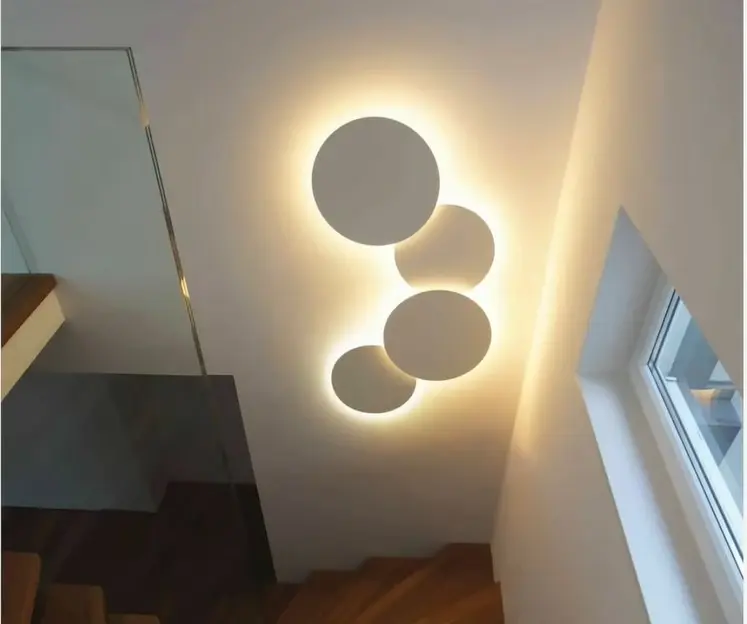
Modern lighting can be layered discreetly. Recessed or track fixtures, when carefully placed, improve task and ambient light without competing with historic millwork. LED sources reduce heat load and energy use. Concealed wiring and thoughtful fixture selection keep the visual focus on the architecture.
Updated electrical service, grounded outlets, and code-compliant wiring improve safety and support modern appliances. These upgrades are largely interior and therefore free from BAR review, provided they do not alter exterior appearance.
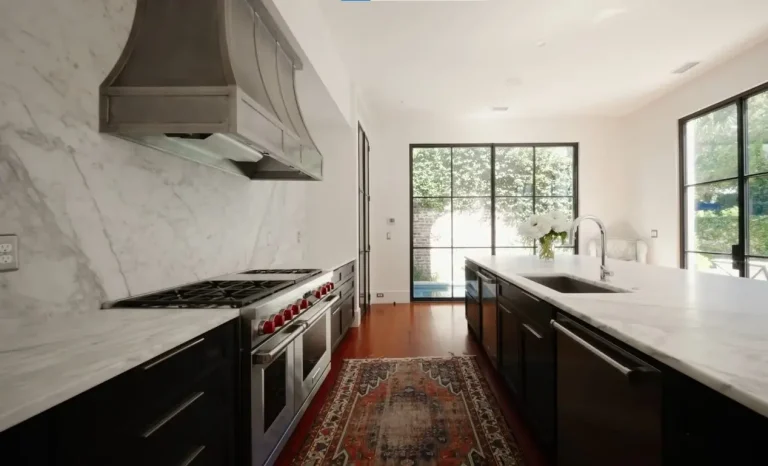
Kitchens and bathrooms benefit from durable, humidity-resistant materials and proper local exhaust. Ventilation that removes moisture at the source protects the rest of the house.
Working with Passive Design Strengths
Charleston single houses and many other historic forms already incorporate passive strategies. Tall ceilings allow heat to rise. Side piazzas shade the long elevation and support cross-ventilation. Narrow room depths make airflow through opposite openings more effective.
Modern comfort systems work best when they complement rather than override these features. Keeping piazzas open and functional, maintaining operable windows and shutters, and preserving circulation paths that support air movement reduce reliance on mechanical systems during milder weather.
Sequencing and Professional Guidance
Address moisture sources and the building envelope before installing or upsizing mechanical systems. Drainage, gutters, crawl-space conditions, and roof integrity affect indoor comfort as much as the HVAC equipment itself.
Engage professionals familiar with historic Charleston construction. Load calculations, material compatibility, and installation methods that protect plaster, floors, and framing require experience. Early conversation with City preservation staff clarifies which exterior elements of any system (condensers, vents, solar, etc.) will need review.
What Success Looks Like
A successfully updated historic house feels comfortable year-round without erasing its character. Temperature and humidity stay within a stable range. Original windows, floors, and millwork remain intact and functional. Mechanical systems are effective yet unobtrusive. The house continues to respond to the climate it was designed for, now supported by modern tools rather than replaced by them.
The most durable results come from respecting both the architecture and the local environment. Modern comfort is achievable in old Charleston houses when upgrades are planned around the building’s existing strengths and limitations rather than imposed on top of them.
Ready to Improve Comfort in Your Historic Charleston Home?
Thoughtful upgrades to the envelope, windows, and climate systems can transform daily living while protecting architectural character. If you are planning updates, we can help evaluate conditions and develop solutions suited to both the house and the Lowcountry climate. Contact us to discuss your project.