Choosing the Right Lighting for Historic Homes
Lighting in a historic Charleston home does more than make rooms visible. It shapes how the architecture is perceived, how spaces feel at different times of day, and how comfortably people live in them. Poor choices can flatten tall ceilings, compete with original millwork, or introduce fixtures that feel out of place. Good choices enhance the house’s character while delivering modern performance.
The goal is not to recreate period lighting exactly as it existed when the house was built. Early electric and gas fixtures were often dim by today’s standards. The better approach matches the scale, finish, and spirit of the architecture while using efficient, reliable sources that suit coastal conditions.
Start with Layers, Not a Single Fixture
Effective residential lighting uses three main layers:
- Ambient provides general illumination so people can move through a room comfortably.
- Task focuses brighter light where activities happen—counters, reading chairs, vanities, desks.
- Accent highlights architectural details, artwork, or textures and adds depth.
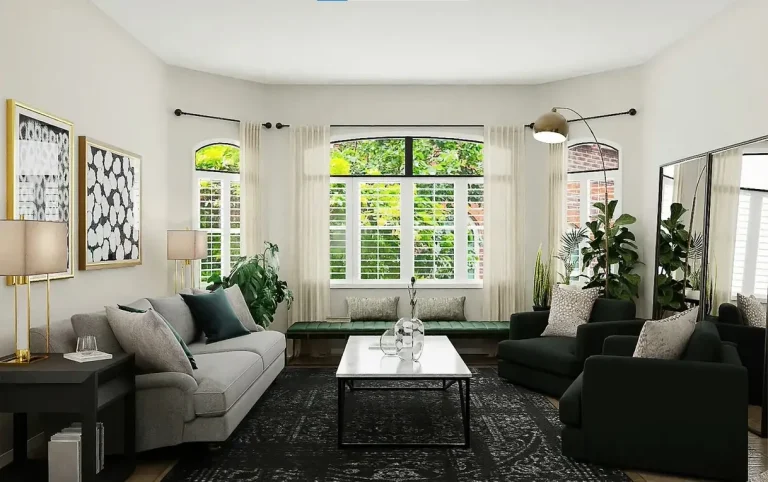
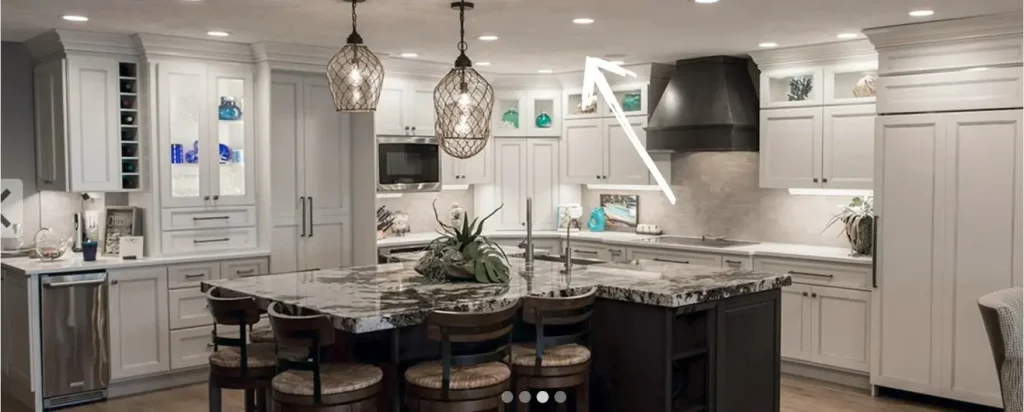
Relying on one central ceiling fixture leaves rooms flat and creates harsh shadows. Layering allows control. Dimmers and separate switching let the same space shift from bright and functional to soft and intimate.
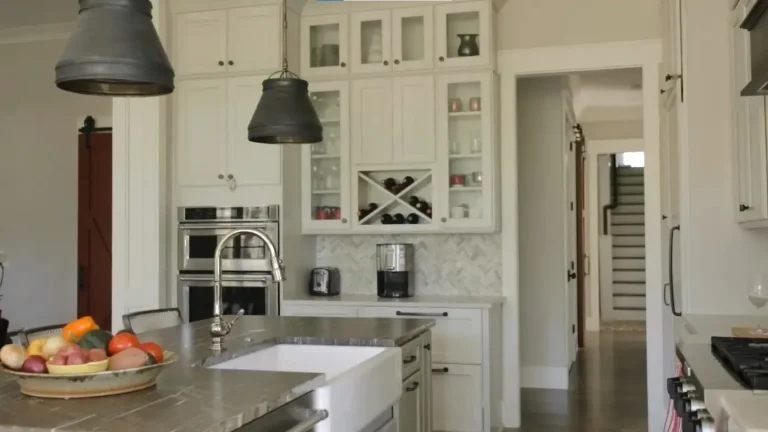
In Charleston single houses and other historic forms with tall ceilings and sequential rooms, ambient light often works best when it comes from multiple sources rather than a single high-output fixture. Wall sconces, carefully placed pendants, and indirect light can fill the volume without overpowering the architecture.
Respect Scale and Proportion
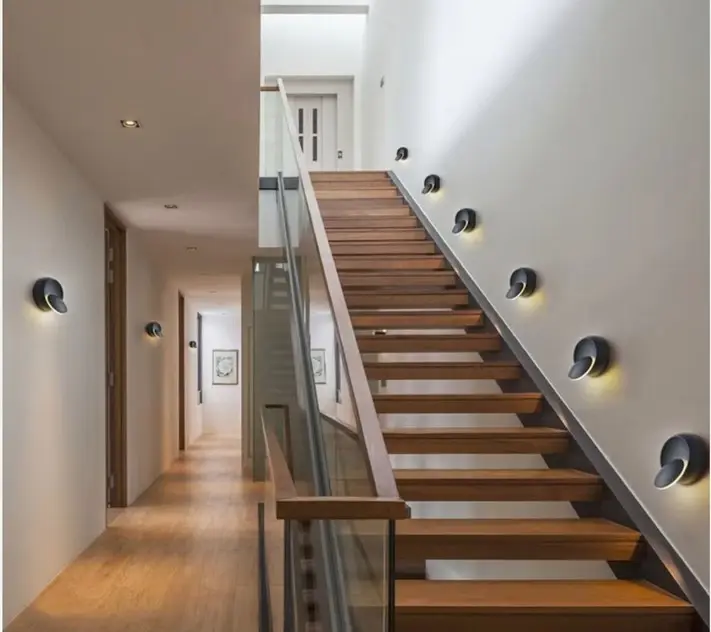
Historic rooms frequently have higher ceilings and more formal proportions than modern construction. A fixture sized for an 8-foot ceiling looks undersized in a 10- or 12-foot space. Wall sconces traditionally sit higher in formal rooms—often in the 66–72 inch range from the floor—than the lower mounting heights common in contemporary bathrooms or hallways.
Choose fixtures whose visual weight matches the room. Oversized contemporary pieces can dominate narrow single-house rooms. Undersized lights disappear against tall plaster walls and detailed millwork. The architecture should remain primary; the lighting supports it.
Color Temperature and Quality of Light
Warm light in the 2700K–3000K range generally suits historic interiors best. It flatters wood, plaster, and traditional finishes and creates a welcoming atmosphere. Cooler temperatures can feel clinical and clash with the warmer tones common in Charleston homes.
High color rendering (CRI 80 or above, ideally higher) helps materials look accurate. This matters when original heart pine, painted millwork, or artwork is present. LEDs now offer excellent warm options with good dimming performance when the right bulbs and drivers are selected.
Daylight First, Then Supplement
Historic houses often have strong natural light strategies—tall windows, operable shutters, transoms, and piazzas that shade and filter sun. National Park Service sustainability guidance for historic buildings emphasizes retaining and working with these inherent daylighting features before adding artificial light or altering openings.
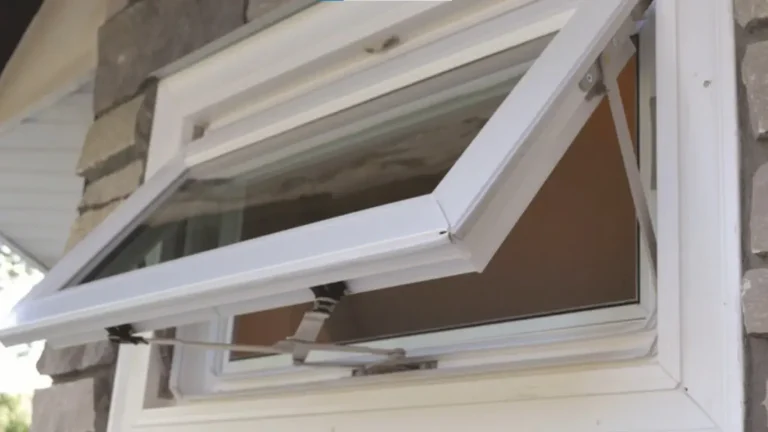
Keep windows operable and shutters functional where possible. Use interior treatments that control glare without permanently blocking light. Artificial lighting then fills gaps rather than competing with daylight.
Fixture Style and Finish
Match the architectural character rather than a strict historical period. Unlacquered or aged brass, bronze, and darker metals tend to sit comfortably with traditional millwork and hardware. Highly polished chrome or industrial finishes often feel out of place.
Reproduction or period-inspired forms work well when scaled correctly. Contemporary fixtures can succeed if they are restrained and proportional. The key is compatibility with the room’s existing details, not literal replication of every original type.
For outdoor and piazza lighting, material durability is critical. Salt air and humidity accelerate corrosion. Solid brass, copper, and marine-grade stainless steel perform better than standard finishes. Warm LED sources in lantern or sconce forms complement the architecture while providing safe, inviting light along pathways and entries.
Practical Installation Considerations
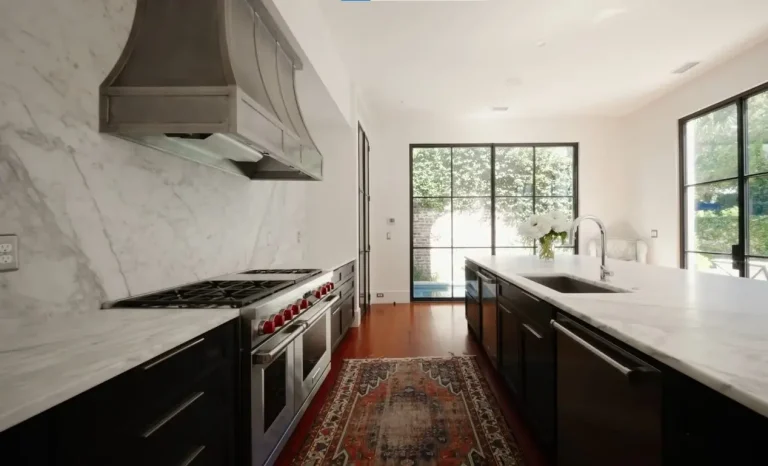
Historic plaster, lath, and framing limit how aggressively new wiring can be run. Surface-mounted or carefully routed solutions, wireless controls where appropriate, and reuse of existing boxes reduce disruption. Concealed LED strips in cabinetry or coves can add ambient or accent light without visible modern hardware.
Dimmers and layered controls improve both comfort and energy use. Occupancy or vacancy sensors in secondary spaces reduce waste without changing the look of primary rooms.
Exterior fixtures visible from the public right-of-way may fall under Board of Architectural Review consideration in historic districts. Simple, compatible designs and discrete placement generally fare better than large or stylistically jarring additions.
Common Mistakes to Avoid
Installing a single bright ceiling fixture as the only light source. Choosing cool-white LEDs that make wood and plaster look harsh. Using fixtures that are the wrong scale for tall ceilings or narrow rooms. Selecting outdoor lights that corrode quickly in coastal conditions. Ignoring natural light and operable shutters in favor of permanent artificial solutions. Over-lighting spaces so that architectural details disappear under uniform brightness.
Putting It Together
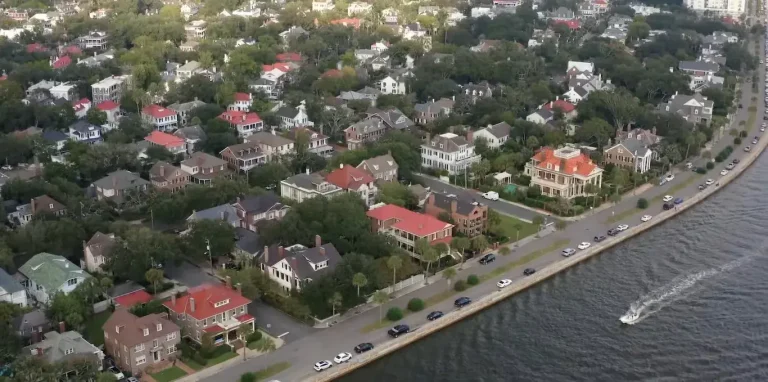
Successful lighting in a historic Charleston home begins with the architecture and the quality of existing daylight. Layers of ambient, task, and accent light then provide flexibility. Warm color temperature, appropriate scale, durable finishes, and careful installation keep the house feeling authentic while meeting modern expectations for comfort and function.
The result should feel intentional rather than applied. When lighting supports the proportions, materials, and character of the house, rooms become more usable and more beautiful at the same time. This approach aligns with thoughtful ways to modernize a historic Charleston home without losing character.
Planning Lighting for Your Historic Charleston Home?
The right fixtures and layout enhance both daily living and architectural character. If you are updating lighting as part of a renovation or standalone project, we can help select solutions that fit the scale, climate, and style of your home. Contact us to discuss your needs.