How to Modernize a Historic Charleston Home Without Losing Character

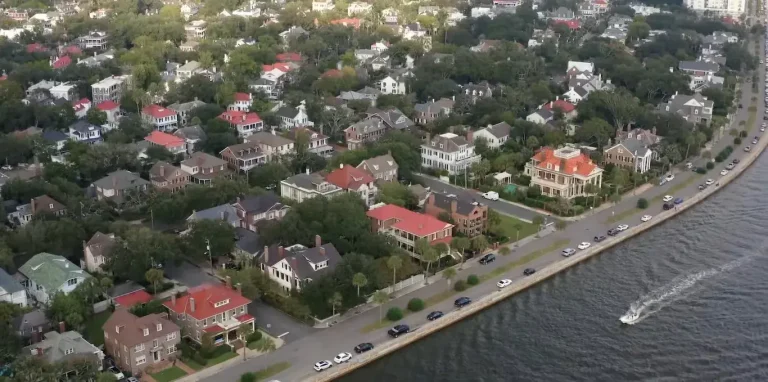
Historic Charleston homes carry unique architectural character. Tall ceilings, original millwork, heart pine floors, and classic proportions define these properties. Modernizing them requires care and respect for that history.
The goal is clear. Add comfort, function, and updated systems while protecting the features that make the home special. This approach works for downtown single houses, properties in historic districts, and older homes across the Lowcountry.
Start by Understanding the Rules
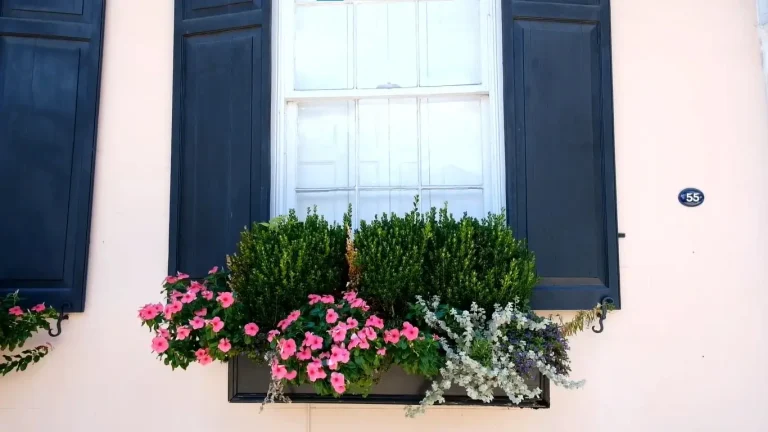
Many Charleston homes fall under Board of Architectural Review (BAR) oversight. Exterior changes visible from the street usually need approval. Interior work faces fewer restrictions, but original details still matter for value and authenticity.
The Secretary of the Interior’s Standards guide good practice. Repair rather than replace whenever possible. New work should be compatible yet distinguishable from the original. These principles help preserve character while allowing practical updates.
Preserve Character-Defining Features
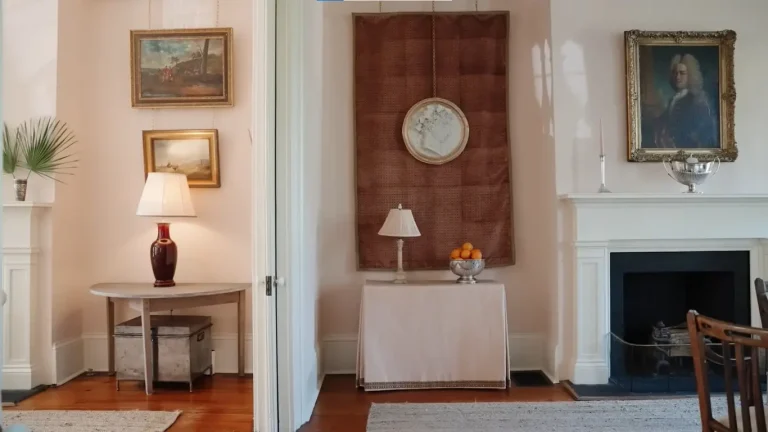
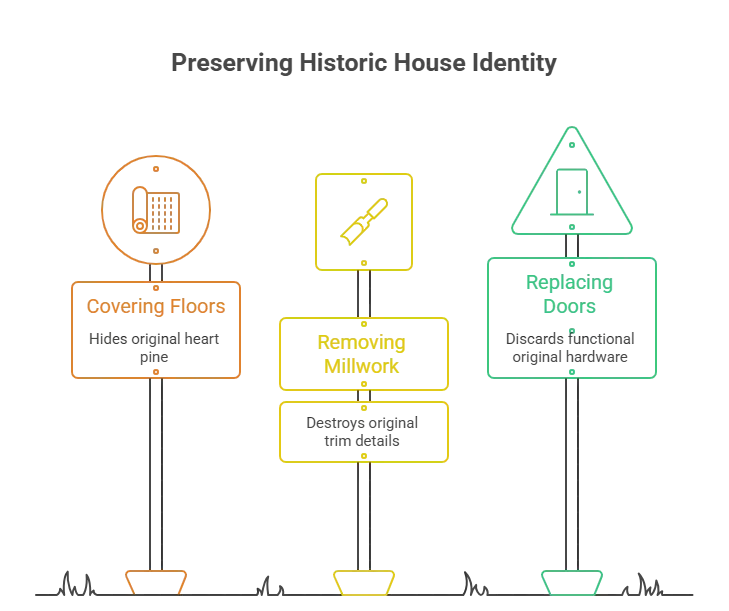
Identify the elements that give the house its identity. Original floors, moldings, staircases, fireplaces, windows, and hardware often top the list.
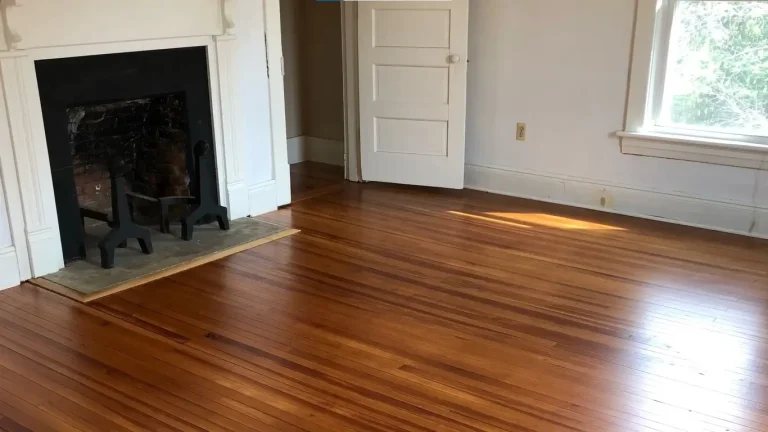
Refinish heart pine floors instead of covering or replacing them. Restore millwork and trim rather than removing it. Keep original doors and hardware when they remain functional. These details cannot be easily recreated and add lasting value.
Upgrade Systems Discreetly
Modern electrical, plumbing, and HVAC systems improve daily comfort. Run new wiring and ducts through attics, basements, or existing chases whenever possible. High-velocity HVAC systems use smaller ducts that fit more easily into older structures.
Mini-split systems offer efficient heating and cooling with minimal visual impact. Update plumbing while keeping original fixture locations when practical. These hidden improvements deliver modern performance without altering the look of the rooms.
Update Kitchens and Bathrooms Thoughtfully
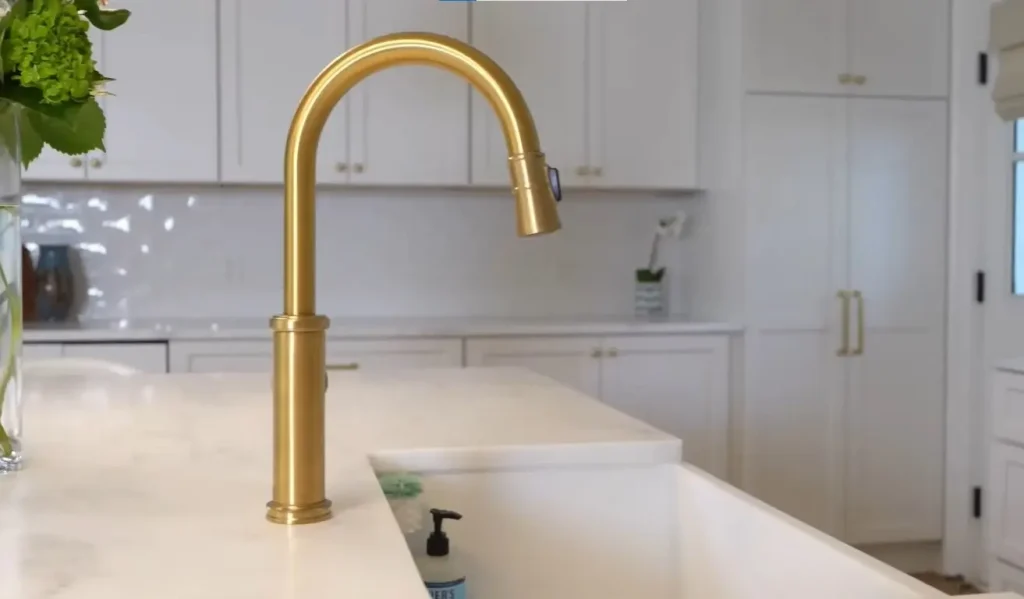
Kitchens and bathrooms often need the most change. Design new layouts that improve flow and storage while respecting the home’s proportions. Use custom cabinetry with traditional profiles and inset doors. Choose materials that feel consistent with the era, such as marble, quartzite, or quality wood.
Panel-ready appliances help modern equipment blend with cabinetry. In bathrooms, improve ventilation and moisture control. Select fixtures and tile that complement historic style rather than fighting it. These rooms can feel current while still belonging to the house.
Improve Lighting and Comfort Without Damage
Older homes often lack adequate lighting. Add recessed or concealed LED fixtures carefully. Battery-powered picture lights and smart bulbs upgrade function without invasive wiring.
Weather-strip original windows and consider interior storm panels. These steps improve energy efficiency while keeping historic sash windows intact. Soft, layered window treatments maintain the classic appearance.
Blend Old and New with Intention
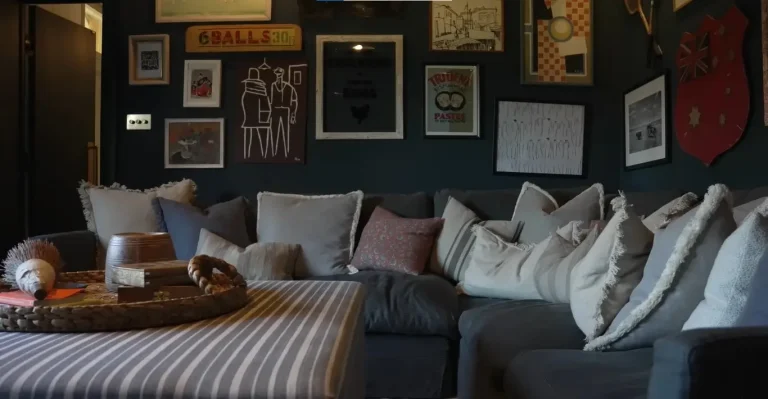
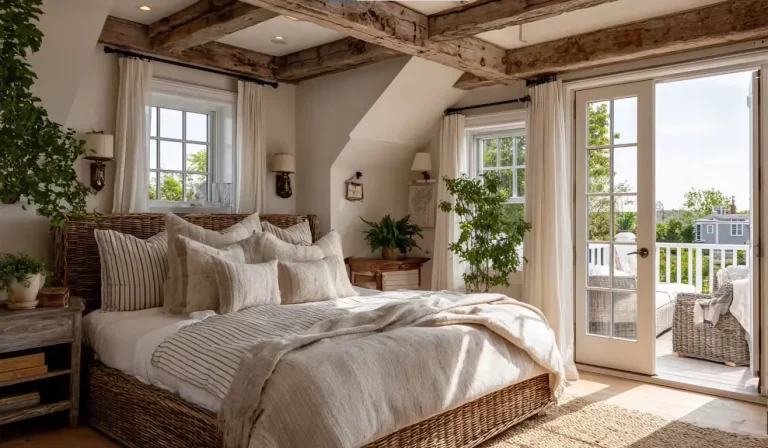
Modern furniture and finishes can sit comfortably beside historic architecture. Keep architectural details intact and introduce contemporary pieces that complement rather than compete.
Neutral or landscape-inspired colors work well with Charleston light. Natural textures and quality materials support both comfort and longevity. The result feels collected and personal rather than newly staged.
Plan Additions with Restraint
If more space is needed, design additions that remain subordinate to the original structure. Match scale, massing, and materials carefully. Position new work so the historic house stays the primary focus.
BAR review often requires clear differentiation between old and new. Thoughtful design meets this requirement while improving livability.
Work with Local Knowledge
Successful projects combine design skill with understanding of Charleston’s climate, architecture, and regulations. Humidity-resistant materials, proper moisture control, and respect for original craftsmanship all play a role.
Experienced professionals help navigate approvals, select appropriate materials, and protect the home’s long-term value.
Ready to Modernize Your Historic Charleston Home?
A historic home can offer both character and modern comfort. Careful planning, respect for original features, and smart system upgrades make the difference.
Contact us to discuss your project. We help homeowners create beautiful, functional interiors that honor Charleston’s architectural heritage.