How to Design for Charleston’s Humidity and Salt Air
Charleston’s climate shapes every design decision. High humidity and salt air affect materials faster than in most other places. Outdoor relative humidity often stays between 70 and 90 percent. Salt particles travel inland and settle on surfaces.
These conditions cause wood to swell, metal to corrode, and finishes to fail early. Smart interior design chooses materials and methods that handle this environment from the start. Here is how to design homes that last in Charleston’s coastal climate.
Understand the Two Main Challenges
Humidity is a constant factor that enters through windows, doors, and crawl spaces, causing wood to absorb moisture and expand. When the air dries, the wood shrinks again, leading to issues such as cupping, gapping, and buckling in floors. Salt air accelerates corrosion.
It attacks standard metal hardware, hinges, fixtures, and fasteners. Untreated steel and lower-grade metals can show damage within a few years. Even interior components near windows or exterior doors face risk.
Choose Flooring That Stays Stable
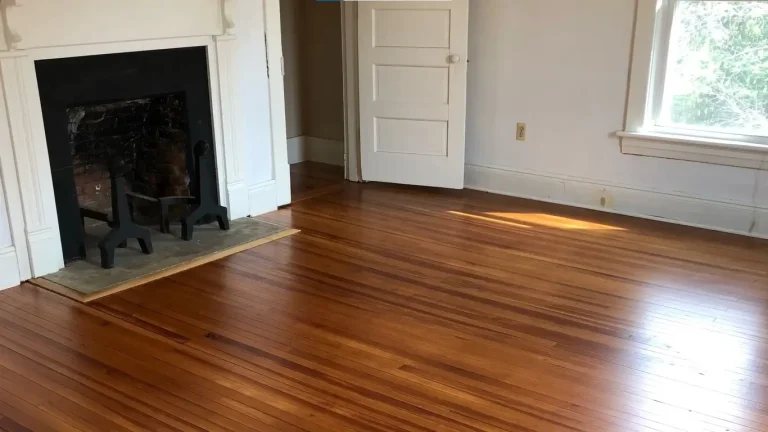
Solid hardwood can struggle with big humidity swings. Engineered hardwood performs better because its layered construction resists movement. Porcelain tile offers the highest moisture resistance. It works well in kitchens, bathrooms, and main living areas.
SPC luxury vinyl plank handles water and humidity extremely well. It looks like wood but stays stable. Maintain indoor humidity between 35 and 55 percent. This range protects most flooring choices and reduces seasonal movement.

Select Cabinets and Wood Products Carefully
Standard MDF swells quickly when exposed to moisture. Once the core expands, it cannot fully recover. Marine-grade plywood resists humidity far better. White oak also handles moisture better than many softer woods.
In kitchens and bathrooms, prioritize materials tested for humid environments. These choices prevent early cabinet failure and costly replacements.
Protect Metal Hardware and Fixtures
Salt air damages low-quality metal finishes. Choose marine-grade stainless steel (316) for hinges, handles, and exposed hardware. PVD-coated fixtures hold their finish longer in coastal conditions.
Powder-coated aluminum also performs well. Avoid standard chrome or nickel in high-exposure areas. These finishes corrode faster near the coast.
Improve Ventilation and Moisture Control
Good airflow reduces trapped humidity. Exhaust fans in bathrooms and kitchens should vent outdoors. Dehumidifiers help maintain stable indoor levels, especially in warmer months.
Crawl space encapsulation with a vapor barrier and dehumidifier protects the structure from below. Proper ventilation keeps air moving and lowers the risk of mold on walls, ceilings, and fabrics.
Use Moisture-Resistant Wall and Finish Materials
In wet zones, choose mold-resistant drywall. Paint with mildew-resistant formulas adds another layer of protection.
Avoid materials that trap moisture against walls. Allow surfaces to breathe where possible.
Plan Furniture and Fabrics for Coastal Conditions
Select upholstery that resists mildew and cleans easily. Solution-dyed acrylics and performance fabrics hold up better. Natural materials still work when chosen carefully.
Teak and properly finished woods perform well. Avoid pieces that cannot handle humidity swings.
Design with Long-Term Performance in Mind
Every material decision should consider Charleston’s climate. Beautiful choices that fail early cost more over time.
Focus on total performance. A well-chosen floor, cabinet, or fixture reduces repairs and keeps the home looking better for longer.
How Professional Design Helps
Experienced local designers understand these challenges. They specify materials that balance beauty with durability. They also plan layouts that support airflow and reduce moisture problems.
This approach protects both historic homes and new construction across Downtown Charleston, Mt. Pleasant, Daniel Island, and nearby areas.
Ready to Design a Home That Handles Charleston’s Climate?
Humidity and salt air do not have to shorten the life of your interiors. With the right material choices and thoughtful planning, your home can stay beautiful and functional for years.
Contact us to discuss your project. We help create interiors designed specifically for Lowcountry conditions.