Climate-Smart Material Choices for New Construction in Charleston
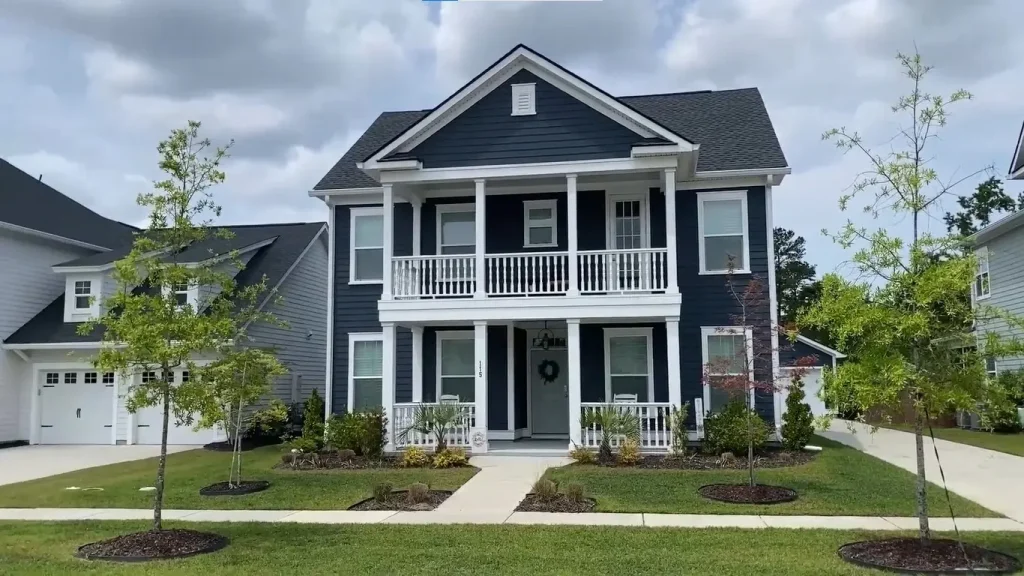
New homes in Charleston face a demanding environment. High humidity, salt-laden air, intense sun, heavy rain, and periodic tropical storms test every material from the foundation to the roof. Materials that perform well inland often fail early here. Climate-smart selection focuses on durability, moisture management, corrosion resistance, and flood resilience rather than appearance alone.
The right choices reduce long-term maintenance, protect indoor air quality, and support the home’s structural performance over decades.
Exterior Cladding That Resists Moisture and Salt
Fiber cement siding has become a primary choice for coastal South Carolina. Made from cement, sand, and cellulose fibers, it resists rot, termites, swelling, and warping. Products engineered for humid, high-rainfall regions perform better than generic options. Factory-finished systems can extend paint life and reduce early maintenance.
Wood siding remains viable when species, detailing, and maintenance are carefully managed, but it requires more ongoing care. Vinyl can work in some applications, yet quality and installation details matter for long-term appearance and performance under UV and wind exposure.
Behind any cladding, a continuous weather-resistive barrier and proper drainage plane help keep moisture from reaching the structure. Flashing at openings and transitions is critical.
Roofing Built for Wind and Corrosion
Architectural asphalt shingles remain common when specified for high wind ratings and installed with appropriate nailing patterns and underlayment. Algae-resistant formulations help limit the black streaking common in humid climates.
Standing seam metal roofing offers strong wind performance and long service life when coated systems and corrosion-resistant fasteners are used. Concealed fastener designs reduce a common failure point of exposed-fastener panels in salt air. Aluminum or properly coated steel options are preferred over materials that corrode quickly.
Flashings, gutters, and accessories should match the corrosion resistance of the primary roof system. Standard galvanized components often show rust stains and lose strength earlier near the coast.
Fasteners and Hardware: A Critical Detail
Exterior fasteners control the longevity of siding, decking, railings, and structural connections. Standard zinc-plated nails and screws can begin corroding within a few years in salt spray zones. Marine-grade 316 stainless steel provides superior resistance for the most exposed applications. Hot-dip galvanized fasteners are a step up from electroplated options for many structural uses.
Consistent specification of corrosion-resistant connectors, hurricane ties, and hardware reduces staining and maintains holding power over time.
Insulation and the Building Envelope
Closed-cell spray foam is frequently selected for coastal new construction because it provides high R-value per inch, acts as an air barrier, and adds rigidity. It can help limit moisture movement when detailed correctly. Other insulation systems can also perform well when the overall assembly manages air and vapor appropriately for the climate.
The goal is a tight, well-detailed envelope that reduces energy loads and limits uncontrolled humidity entry. Proper attic and crawl-space strategies further support long-term performance.
Foundations, Elevation, and Flood-Resistant Materials
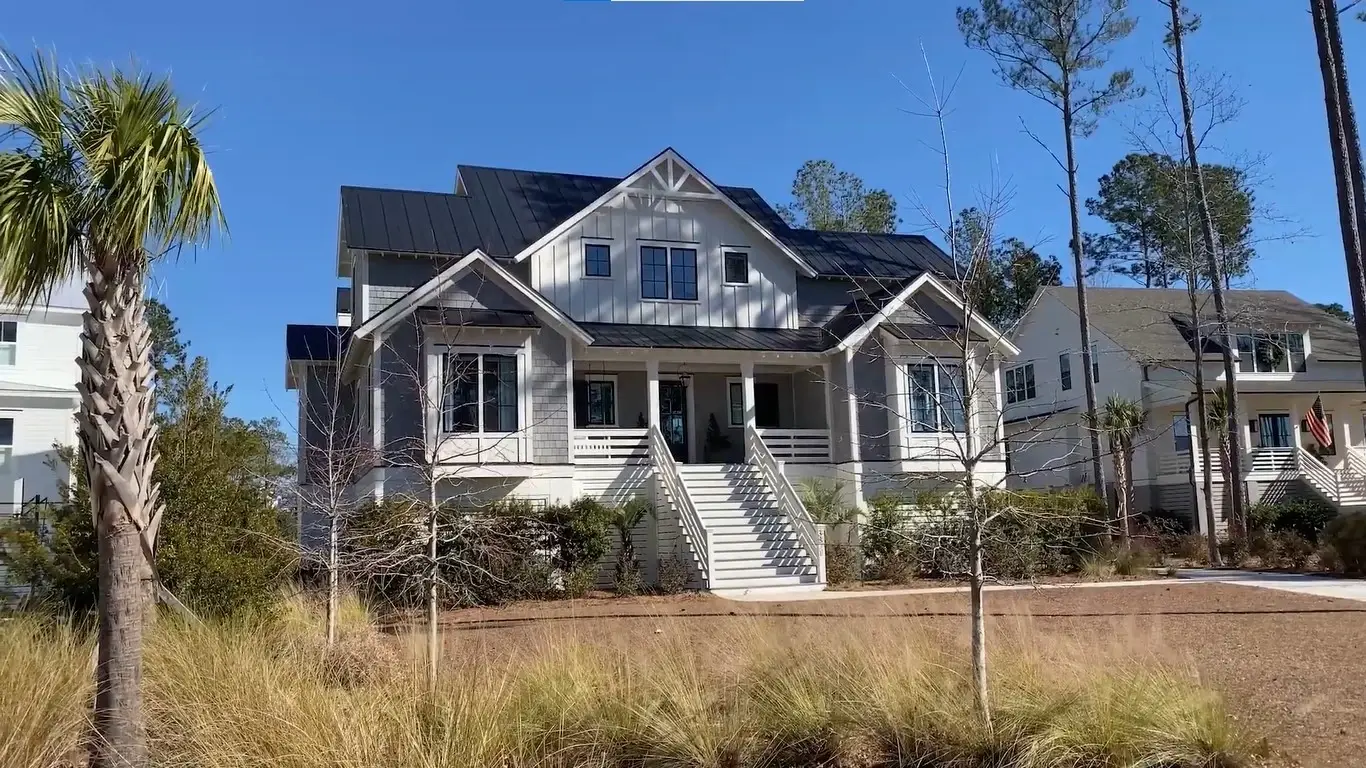
Many Charleston sites fall within Special Flood Hazard Areas. Local requirements often mandate freeboard above Base Flood Elevation for new construction. Habitable space must sit at or above the Design Flood Elevation. Areas below that elevation are generally limited to parking, storage, and access.
Materials used below the required elevation must be flood damage-resistant according to current guidance. Concrete, masonry, pressure-treated lumber meeting appropriate standards, and certain finishes meet these criteria; ordinary gypsum board and many interior finishes do not.
Breakaway walls may be required in higher-hazard coastal zones. Mechanical, electrical, and plumbing systems are typically elevated above the flood design level.
Windows, Doors, and Openings
Impact-rated glazing improves resistance to wind-borne debris. Frame materials that resist corrosion and moisture—such as fiberglass or appropriately clad systems—perform better than unprotected wood or standard aluminum in coastal exposure. Stainless or corrosion-resistant hardware extends service life.
Proper flashing and integration with the weather-resistive barrier prevent water intrusion at these critical locations.
Decks, Porches, and Outdoor Structures
Exposed wood requires pressure treatment for ground contact or appropriate use categories, or selection of naturally durable species. Composite and PVC decking products reduce maintenance in high-humidity settings. All structural connections benefit from corrosion-resistant fasteners and connectors.
Adequate slope for drainage and ventilation under decks helps limit moisture accumulation. These same principles support durable outdoor rooms in Daniel Island and Mount Pleasant homes.
Interior Materials That Support the Climate
While exterior materials take the primary weather load, interior choices still matter. Moisture-resistant drywall in wet areas, stable flooring systems, and cabinetry built with plywood rather than particleboard reduce the risk of swelling and finish failure in a humid climate. Good whole-house humidity control protects these materials over time.
Making Decisions for Long-Term Performance
Climate-smart material selection for new construction in Charleston prioritizes:
- Resistance to moisture, salt, and insects
- Corrosion-resistant fasteners and hardware
- Wind and flood performance appropriate to the site
- Assemblies that manage water and air effectively
- Realistic maintenance expectations
Upfront cost differences often shrink when measured against reduced repairs, longer service life, and better resilience. Working with designers, builders, and suppliers familiar with local conditions helps ensure products are specified and installed correctly for this climate.
A home built with materials matched to Charleston’s environment stays more comfortable, requires less corrective work, and retains its integrity longer than one built with generic inland standards.
Planning New Construction in Charleston?
Climate-smart materials form the foundation of a durable, low-maintenance home. If you are designing or building in the Lowcountry, we can help evaluate material options suited to your site and goals. Contact us to discuss your project.